Furnace High Limit Switch: Why It Trips and How to Fix It
 Ben Amina
Aire One East Heating & Cooling, 1910 Dundas St E #117, Whitby
A furnace high limit switch is a heat sensor that shuts off the burners if the inside of your furnace gets too hot. It sits near the heat exchanger, and as long as the temperature stays in a safe range, it stays closed and the furnace keeps heating. When too little air is moving across the heat exchanger, the temperature climbs, the switch opens, and the gas valve closes. The blower keeps running to cool things down, which is why you may feel cool or lukewarm air from the vents. Once the furnace cools, it restarts, often to overheat and trip again a few minutes later. In almost every case the switch is doing its job, and the real problem is airflow. This guide explains how a furnace high limit switch works, the eight most common reasons it trips, what you can check yourself, and when the switch itself needs replacing.
- The high limit switch shuts off the burners when the furnace overheats, protecting the heat exchanger and your home.
- Most trips are caused by low airflow: a dirty filter, closed vents, blocked returns, or a weak blower.
- A tripping high limit often looks like short cycling, cool air from the vents, or a flashing limit code.
- The switch itself can fail, but it should be the last thing replaced, after airflow is fixed.
- Never bypass a high limit switch, and never keep resetting a flame rollout switch.
Short answer: a furnace high limit switch trips when the furnace gets too hot, usually because not enough air is moving through it. You notice the burners shutting off early, cool air from the vents, and a limit error code on the control board.
Replace the filter, open all registers, clear the return grilles, and let the furnace run. If it keeps tripping, call a technician. Aire One East offers 24/7 furnace repair across Durham Region. Call 905-576-7600.
- What does a furnace high limit switch do?
- Signs your furnace high limit switch is tripping
- 8 reasons a furnace high limit switch trips
- High limit, rollout and fan limit switches
- What you can safely check
- Furnace high limit switch repair and replacement
- How to keep it from tripping
- Key terms in this article
- Frequently asked questions
What does a furnace high limit switch do?
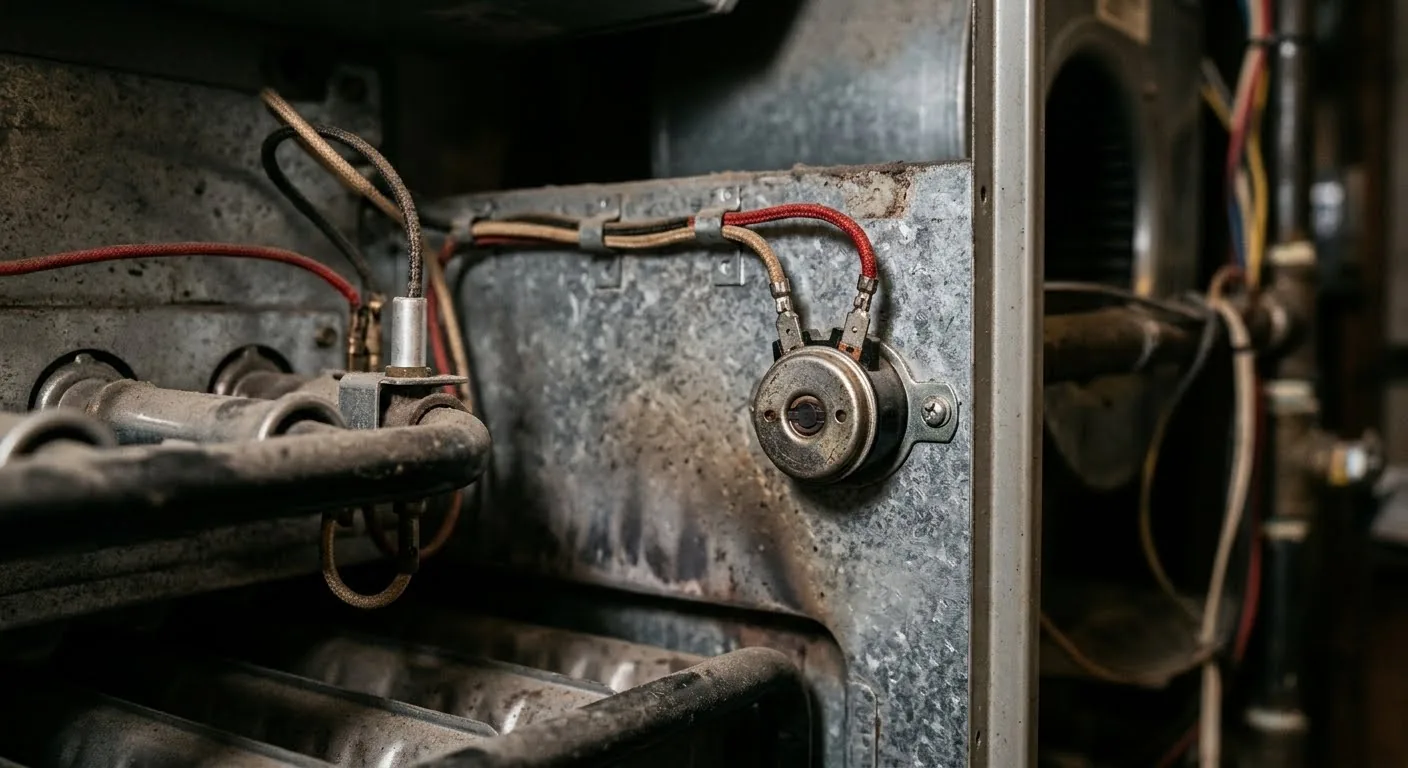
Every gas furnace has several safety switches, and the high limit is the one that watches temperature inside the cabinet. It is usually a small round or rectangular disc mounted on the front panel of the heat exchanger area, with a probe or sensing surface facing the hot air. The switch is normally closed. As long as the air around it stays below its set point, it lets power reach the gas valve. If the temperature goes over the set point, a bimetal disc inside snaps open, the control board closes the gas valve, and the burners go out.
Most furnace high limit switches reset automatically. Once the furnace cools, the disc snaps closed again, and the furnace is allowed to try another heating cycle. The set point varies by furnace model, which is why a replacement must always be the exact part the manufacturer specifies. The reason this switch matters so much is the heat exchanger. Repeated overheating stresses the metal, and over time it can crack. A cracked heat exchanger can let combustion gases, including carbon monoxide, mix with the air in your home.
Signs your furnace high limit switch is tripping
- Short cycling: the burners shut off after only a few minutes, while the blower keeps running. See our furnace short cycling guide.
- Cool or lukewarm air: the blower runs with the burners off, so the air coming out feels cool. Our furnace blowing cold air guide covers this symptom.
- A limit error code: the control board light flashes a code for an open limit circuit, listed on the label inside the furnace door.
- The house never reaches the set temperature: the furnace runs often but cannot keep up on cold days.
- A hot smell or very hot cabinet: the furnace cabinet or nearby ducts feel hotter than usual.
8 reasons a furnace high limit switch trips
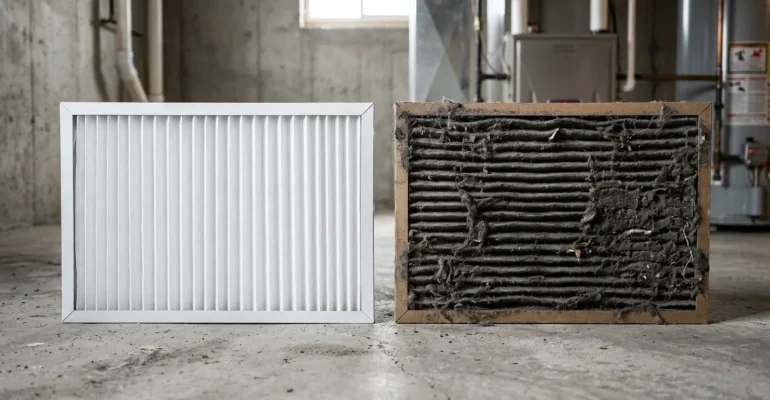
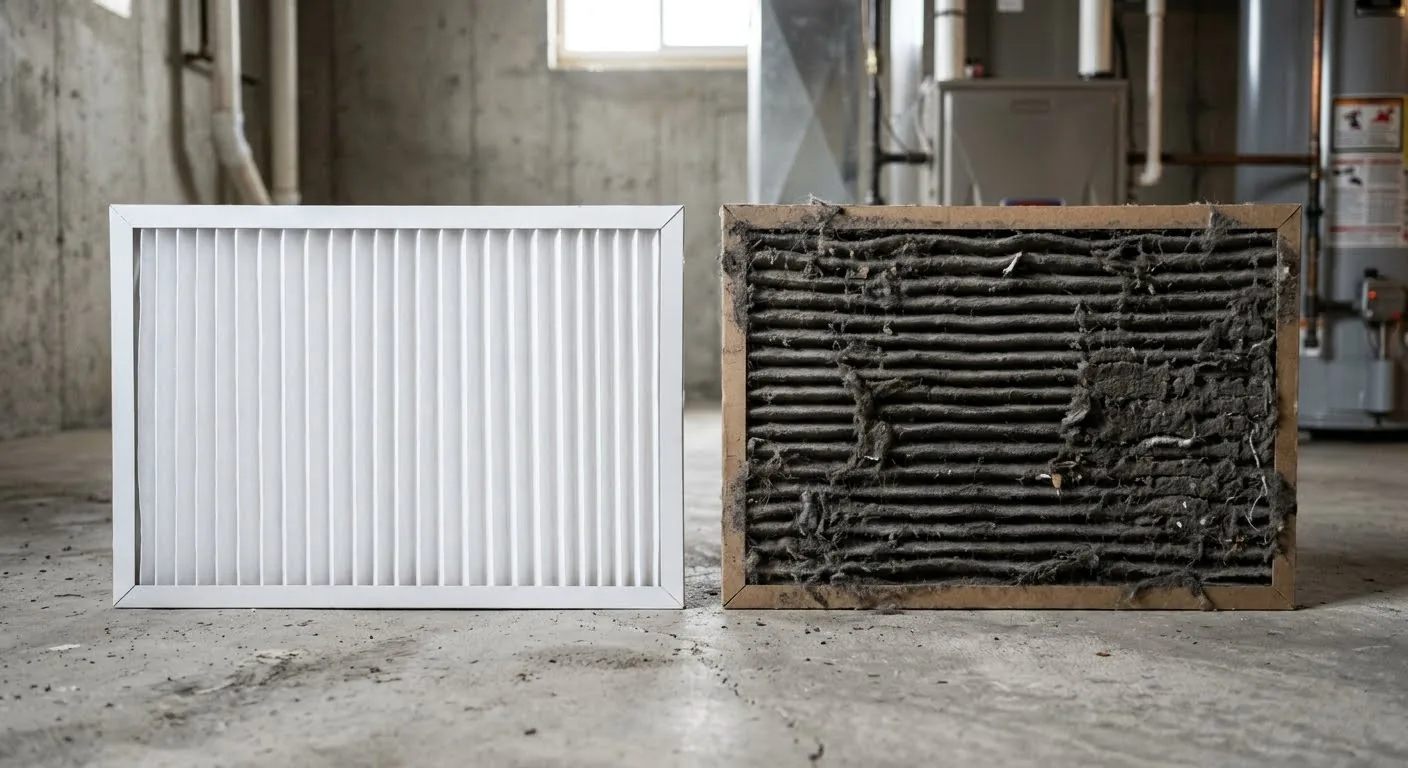
- A dirty or clogged filter: the number one cause. A clogged filter starves the furnace of air, so heat builds up fast.
- A filter that is too restrictive: some high MERV or very thick filters restrict more air than a furnace was designed for.
- Closed or blocked supply registers: closing too many vents to "save heat" raises pressure and cuts airflow.
- Blocked return grilles: furniture, rugs, or curtains over the return air grilles choke the air supply.
- A weak or failing blower: a dirty blower wheel, a failing capacitor, or worn bearings reduce airflow. Our furnace blower motor guide explains each.
- Dirty A coil or restricted ducts: a clogged air conditioner coil above the furnace, or crushed or undersized ductwork, restricts the air path.
- An oversized furnace: a furnace that is too big for the ducts can overheat even with a clean filter. Our furnace size guide explains why.
- A failing switch: an older switch can drift and open at a lower temperature than it should, or fail open completely.
High limit, rollout and fan limit switches
A furnace has more than one limit switch, and they mean very different things when they trip.
| Switch | What it watches | Reset | What a trip usually means |
|---|---|---|---|
| High limit switch | Air temperature around the heat exchanger | Usually automatic | Low airflow and overheating |
| Flame rollout switch | Flames escaping the burner area | Often manual, with a small button | A blocked flue, venting problem, or cracked heat exchanger |
| Fan limit switch | When to start and stop the blower on older furnaces | Not a safety reset | A blower that will not stop or will not start |
A tripped flame rollout switch is more serious than a high limit trip, because it means flames went where they should not. Do not reset it more than once. Call a technician. If your blower will not stop running, our furnace won't turn off guide covers the fan limit switch.
What you can safely check
These checks fix most high limit trips. None of them involve opening the burner area or touching the switch.
- Replace the furnace filter with the size and type the manufacturer recommends, with the airflow arrow pointing toward the furnace.
- Open every supply register in the house, including rooms you do not use.
- Clear furniture, rugs, and curtains away from return air grilles.
- Make sure the blower door is closed tightly and the furnace has been off for a few minutes so it can cool.
- Set the thermostat to HEAT and watch a full cycle. If the burners still shut off early, call for service.
Furnace high limit switch repair and replacement
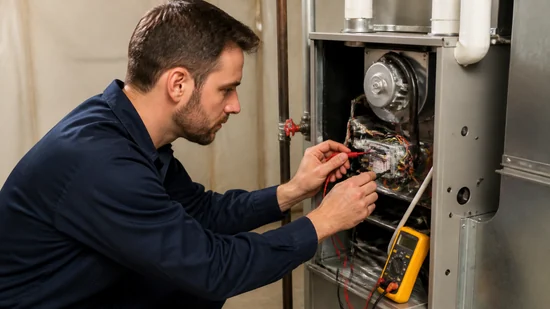
A technician treats a tripping high limit as an airflow problem first. They check the filter and its rating, inspect the blower wheel and motor, test the capacitor, look at the A coil and ducts, and measure the temperature rise across the furnace and the static pressure in the ducts. Those numbers show whether the furnace is moving the air it was designed for. They also inspect the heat exchanger for signs of overheating damage.
If airflow checks out and the switch is opening early, the furnace high limit switch is tested and replaced with the exact manufacturer part, rated for that furnace model. The technician then runs several full heating cycles to confirm the burners stay on and the temperature rise is within the range listed on the furnace label. Our team handles furnace repairs, emergency furnace repair in Ajax, and furnace repair in Oshawa across Durham Region 24/7. If the furnace has no heat at all, our furnace not working guide walks through the other causes.
How to keep it from tripping
Change the filter every one to three months, and more often with pets, renovations, or the fan running all the time. Use the filter rating your furnace was designed for rather than the most restrictive one on the shelf. Keep registers open and returns clear. Book a yearly tune-up, where a technician cleans the blower, checks the coil, measures temperature rise, and tests the furnace high limit switch before winter. Our furnace maintenance guide lists everything a visit covers, and our maintenance and protection plans include it every year, with priority service in a cold snap.
Key terms in this article
- High limit switch: a safety switch that shuts off the burners when the furnace gets too hot.
- Flame rollout switch: a safety switch that trips when flames escape the burner area.
- Heat exchanger: the metal chamber that separates the flames and exhaust from the air you breathe.
- Temperature rise: how much warmer the supply air is than the return air.
- Static pressure: the resistance to airflow in the ducts, measured to diagnose restrictions.
- MERV: a filter rating. Higher numbers catch smaller particles but can restrict more air.
Frequently asked questions
| Your furnace high limit switch questions, answered |
|---|
| Why does my furnace high limit switch keep tripping? A furnace high limit switch usually trips because not enough air is moving through the furnace. The most common causes are a dirty or overly restrictive filter, closed supply registers, blocked return grilles, a weak blower, a dirty A coil, restricted ducts, or an oversized furnace. A failing switch is less common. |
| Can I reset a furnace high limit switch? Most furnace high limit switches reset automatically once the furnace cools. Some furnaces have a manual reset or a lockout that clears when power is turned off and on. If it keeps tripping, fix the airflow problem or call a technician rather than resetting it repeatedly. |
| Is it safe to bypass a high limit switch? No. Bypassing a furnace high limit switch lets the furnace overheat, which can crack the heat exchanger and create a fire or carbon monoxide risk. Always find and fix the cause of the overheating instead. |
| What is the difference between a high limit switch and a rollout switch? A high limit switch shuts off the burners when the air around the heat exchanger gets too hot, usually from low airflow. A flame rollout switch trips when flames escape the burner area, which can mean a blocked flue or cracked heat exchanger. A tripped rollout switch needs a technician. |
| Can a dirty filter trip the high limit switch? Yes. A dirty or clogged filter is the most common reason a furnace high limit switch trips. Replacing it with the correct size and rating often stops the overheating right away. |
Do not take our word for it alone. Read our 364 verified reviews on Google, and see the Heating, Refrigeration and Air Conditioning Institute of Canada for what accredited contractors are expected to deliver.
References and further reading