Heat Pump Size: How to Know What Size You Need
 Ben Amina
Aire One East Heating & Cooling, 1910 Dundas St E #117, Whitby
Heat pump size is one of the most important decisions in any heat pump installation, and one of the most often rushed. Size here does not mean how big the outdoor unit looks. It means capacity, how much heat the system can move into your home each hour. A heat pump that is too small leaves you leaning on backup heat on cold nights. One that is too big turns on and off too often, wastes energy, and wears out sooner. Durham Region homes range from drafty older bungalows to tight new builds, so the right answer depends on your house, not just its square footage. This guide explains what tons and BTUs mean, how a proper load calculation works, the factors that change the answer, and what to ask your installer.
- Heat pump size means heating and cooling capacity, measured in BTUs per hour or tons.
- One ton of capacity equals 12,000 BTUs per hour.
- The right size comes from a room by room heat loss calculation, not square footage alone.
- Insulation, windows, air leaks, and ductwork all change the size you need.
- Oversized heat pumps short cycle, and undersized ones lean on backup heat.
Short answer: The right heat pump size is the capacity that matches your home’s heat loss on a cold Durham Region day, measured in BTUs per hour or tons, where one ton equals 12,000 BTUs per hour. It should come from a room by room load calculation that accounts for insulation, windows, air leakage, and ductwork, not a rule of thumb based on square footage.
Aire One East sizes and installs heat pumps across Durham Region with a proper load calculation. Call 905-576-7600.
What heat pump size means
Heat pump capacity is measured in British thermal units per hour, or BTUs. In the trade it is often stated in tons, where one ton equals 12,000 BTUs per hour. The name comes from the cooling effect of melting a ton of ice over a day, and it has nothing to do with weight. So a two ton heat pump moves about 24,000 BTUs per hour at its rated conditions.
A heat pump has two capacities that matter: how much it can cool in summer and how much it can heat in winter. Heating output drops as the outdoor temperature falls, which is why cold climate models publish their capacity at low temperatures. Furnaces work differently, as our furnace size guide explains.
How heat pump size is calculated
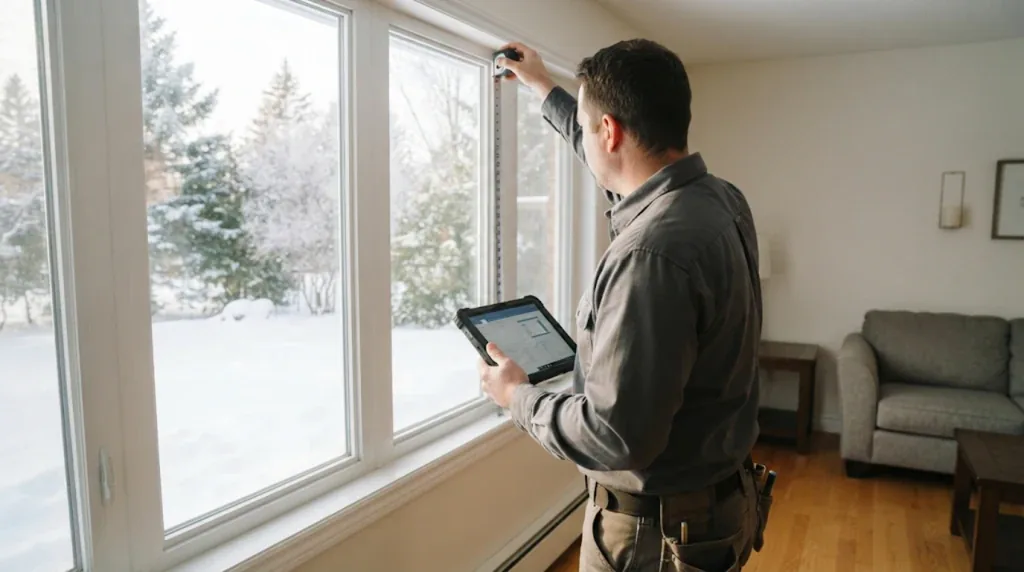
The right way to choose heat pump size is a heat loss and heat gain calculation, done room by room. In Canada, the CSA F280 standard sets out how to calculate the heating and cooling capacity a home needs. The installer measures each room, counts windows and doors, notes the insulation in walls, ceilings, and basement, and estimates air leakage. The result is the amount of heat the home loses on a design cold day, which is what the heat pump needs to replace.
A good contractor shows you the numbers, not just a size. If someone quotes you a heat pump size after a two minute walk through, ask how they arrived at it.
What affects the heat pump size you need
- Insulation and air sealing. A well insulated, tight home needs much less capacity than a drafty one of the same size.
- Windows. The number, size, direction, and age of windows all change heat loss and summer heat gain.
- Ceiling height and layout. Open plans, vaulted ceilings, and finished basements add volume to heat.
- Ductwork. Leaky or undersized ducts lose capacity before it reaches the rooms. Our duct sealing guide covers this.
- Backup heat. Pairing the heat pump with a furnace in a dual fuel heating system changes how much heating capacity the heat pump itself must cover.
- Ducted or ductless. Ductless systems are sized per room or zone, as our ductless mini split guide explains.
Why the wrong size causes problems
An oversized heat pump reaches the set temperature quickly, shuts off, and starts again soon after. That pattern, explained in our heat pump short cycling guide, wastes energy, leaves summer air clammy, and wears the compressor faster. An undersized heat pump runs constantly in cold weather and relies more on backup heat, which usually costs more to run. Variable speed heat pumps can turn down their output, which makes them more forgiving, but a good match to the home still matters.
Sizing for an Ontario winter
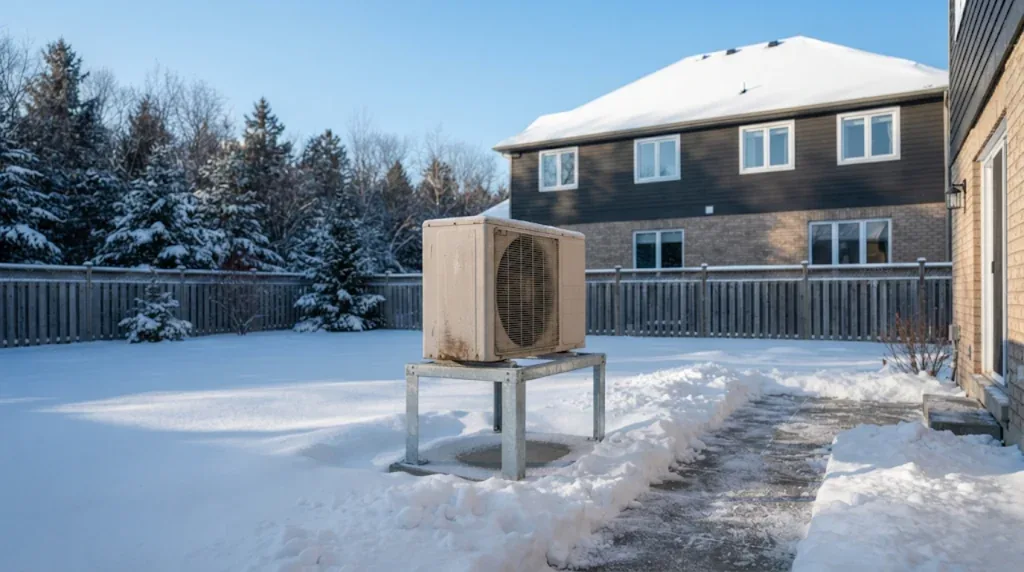
In Durham Region, heat pumps are usually sized with the heating load in mind, since winter is the bigger job. Cold climate heat pumps keep producing useful heat well below freezing. Many homeowners keep a gas furnace or electric backup for the coldest days, so the heat pump does most of the work most of the year. Our heat pump vs furnace guide and heat pump extreme weather guide explain how this works in practice.
What to ask your installer about heat pump size
- Will you do a room by room heat loss calculation, and can I see the results?
- What is the heating capacity of this model at cold outdoor temperatures?
- How will backup heat work on the coldest days?
- Are my existing ducts sized and sealed well enough for this heat pump?
- Is a variable speed model a good fit for my home?
Our heat pump cost guide for Durham Region explains what affects the price, and you can book an assessment through our Whitby or Oshawa heat pump pages. Ask about current incentives on our offers page.
Key terms in this article
- BTU: British thermal unit, a measure of heat energy
- Ton: a unit of heating or cooling capacity equal to 12,000 BTUs per hour
- Heat loss calculation: a room by room estimate of how much heat a home loses on a cold day
- CSA F280: the Canadian standard for calculating a home’s heating and cooling needs
- Cold climate heat pump: a heat pump designed to keep heating in very cold outdoor temperatures
- Variable speed: a heat pump that adjusts its output instead of running only on or off
Frequently asked questions
| Your heat pump size questions, answered |
|---|
| What size heat pump do I need? The right heat pump size comes from a room by room heat loss calculation that accounts for your insulation, windows, air leakage, and ductwork. Square footage alone is not enough to choose a size. |
| How many BTUs is a ton for a heat pump? One ton of heat pump capacity equals 12,000 BTUs per hour, so a two ton heat pump moves about 24,000 BTUs per hour at its rated conditions. |
| Is it better to oversize a heat pump? No. An oversized heat pump short cycles, wastes energy, wears out faster, and can leave summer air clammy. A good match to the home works best. |
| What happens if a heat pump is too small? An undersized heat pump runs constantly in cold weather and relies more on backup heat, which usually costs more to run. |
| Who calculates heat pump size? A qualified HVAC contractor should do a heat loss and heat gain calculation, following the CSA F280 standard in Canada, and share the results with you. |
Do not take our word for it alone. Read our 364 verified reviews on Google, and see the Heating, Refrigeration and Air Conditioning Institute of Canada for what accredited contractors are expected to deliver.
References and further reading