Dual Fuel Heating System: Heat Pump + Furnace in Ontario
 Ben Amina
Aire One East Heating & Cooling, 1910 Dundas St E #117, Whitby
A dual fuel heating system pairs an electric air source heat pump with a gas furnace, and a smart control decides which one heats your home based on the outdoor temperature. The heat pump does most of the work through fall, spring, and milder winter days, when it is very efficient, and the furnace takes over during deep Durham cold snaps, when gas heat is stronger and often cheaper. You also get central air conditioning from the same heat pump in summer. This guide explains how it works, the switchover temperature, the pros and cons, the 2026 Ontario rebates, and whether it makes sense for your home. If you are still deciding between the two technologies, start with our heat pump vs furnace guide.
- A dual fuel heating system uses a heat pump on milder days and a gas furnace on the coldest days, switching automatically.
- The switchover point is often set somewhere between about 0 and minus 10 degrees Celsius, depending on your equipment, your home, and gas and electricity prices.
- It is a strong fit if you already have a gas furnace in good shape and your air conditioner needs replacing.
- For homes heated with natural gas, Ontario's Home Renovation Savings Program lists up to $2,000 CAD for a qualifying cold climate heat pump, with pre-approval required.
- Both systems share your ductwork, so installation is usually simpler than a full heat pump conversion.
Short answer: a dual fuel heating system is a heat pump plus a gas furnace on one thermostat. The heat pump heats efficiently until the outdoor temperature drops to a set switchover point, then the furnace takes over, so you get lower energy use and emissions for most of the year with reliable gas heat in extreme cold.
It works especially well in Durham Region, where winters swing between mild days and sharp cold snaps. Aire One East designs and installs dual fuel systems across Durham Region. Call 905-576-7600.
What is a dual fuel heating system?
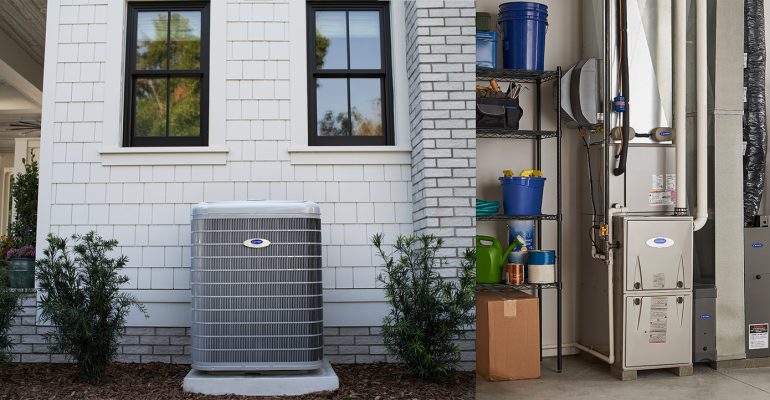
A dual fuel heating system, also called a hybrid heating system, combines two heat sources that use different fuels: an outdoor heat pump that runs on electricity, and an indoor gas furnace that burns natural gas. The heat pump's indoor coil sits on top of the furnace, and both share the same blower and ductwork, so warm air reaches every room the same way it always has. A compatible thermostat or control board decides which one runs. In summer, the heat pump reverses and works as your central air conditioner. For most Durham homes, that means one outdoor unit replaces the old air conditioner, and the existing furnace stays as the cold-weather backup.
How a dual fuel heating system works in winter
A heat pump moves heat from the outdoor air into your home instead of making heat by burning fuel, so on mild days it can deliver two to three times more heat than the electricity it uses. As the temperature drops, a heat pump has to work harder and its efficiency falls. At some point, running the furnace becomes cheaper or more comfortable than running the heat pump. That is the switchover point, sometimes called the balance point. When the outdoor temperature falls below it, the control turns the heat pump off and fires the furnace. When it warms up again, the heat pump takes back over.
The right switchover temperature depends on your heat pump, how well your home is insulated, and the current prices of gas and electricity. With a modern cold climate heat pump, it is often set somewhere between about 0 and minus 10 degrees Celsius, and a technician can fine tune it after the first winter. In a typical Durham year, that means the heat pump handles most of the heating season, and the furnace runs mainly during the coldest stretches in January and February.

| Outdoor temperature | What usually runs | Why |
|---|---|---|
| Above about 5C | Heat pump | Highest efficiency, lowest running cost |
| About 5C to the switchover point | Heat pump | Still efficient for most homes |
| Below the switchover point (often 0 to minus 10C) | Gas furnace | Stronger heat, often cheaper in deep cold |
| Extreme cold snaps | Gas furnace | Reliable heat no matter how cold it gets |
| Summer | Heat pump in cooling mode | Works as your central air conditioner |
Typical dual fuel heating system operation for a Durham Region home, verified November 2026. Exact settings depend on your equipment and energy prices.
Dual fuel vs heat pump only vs furnace only
| Feature | Dual fuel | Heat pump only | Gas furnace only |
|---|---|---|---|
| Heating in deep cold | Furnace backup, very reliable | Cold climate models work, may need electric backup | Very reliable |
| Efficiency on mild days | High | High | Lower |
| Air conditioning | Yes, from the heat pump | Yes | Needs a separate AC |
| Emissions | Much lower than gas only | Lowest | Highest |
| Uses existing furnace | Yes, if it is in good shape | No | Yes |
| Upfront cost | Moderate | Higher for a full conversion | Lowest |
For most Durham homes with a working furnace, a dual fuel heating system lands in the middle on upfront cost and near the top on comfort and efficiency. For a deeper look at running costs and fuel choices, see our guides on gas vs electric furnaces and new furnace costs.
Pros and cons
Pros. A dual fuel heating system uses the most efficient heat source for each day, lowers your heating emissions, keeps a powerful gas backup for the coldest nights, and gives you efficient central air in summer. It also reuses your existing furnace and ductwork, which keeps installation simpler.
Cons. With a dual fuel heating system you maintain two pieces of equipment instead of one, the upfront cost is higher than replacing an air conditioner alone, the outdoor unit needs space and clearance from snow, and the thermostat or controls must be compatible and set up correctly. The savings also depend on gas and electricity prices, which change over time.
Is a dual fuel heating system worth it in Durham?
A dual fuel heating system is usually worth it when two things are true: your gas furnace is fairly new and in good condition, and your air conditioner is old or needs replacing. In that case, choosing a heat pump instead of a new AC adds efficient heating for most of the year for a modest extra cost, and the furnace you already own covers the cold snaps. It is also a good choice for homeowners who want lower emissions but are not ready to give up gas heat entirely. If your furnace is near the end of its life, compare a full heat pump system as well. Our repair or replace guide can help you judge how much life your furnace has left.
Rebates for a dual fuel heating system in Ontario (2026)
Ontario's Home Renovation Savings Program, run by Enbridge Gas and Save on Energy, offers rebates on qualifying heat pumps. As of November 2026, for a home that primarily heats with a natural gas furnace, the program lists up to $2,000 CAD for a qualifying cold climate air source heat pump, calculated at $500 CAD per ton. Homes heated with electricity, oil, propane, or wood can qualify for more. The heat pump must be on the program's qualified products list, the work goes through a participating contractor, and pre-approval is mandatory: installations done before approval are not eligible. Rebates change, so we confirm the current amounts with you before any work starts. Our heat pump installation guide covers the process in more detail.
What installation involves
Turning an existing furnace into a dual fuel heating system is usually a one or two day job. A licensed technician will:
- Check the furnace's age, condition, and blower capacity, and confirm the ductwork can carry the airflow.
- Run a heat load calculation to size the heat pump correctly for your home.
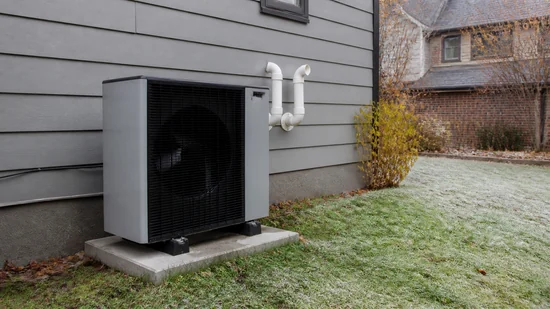
- Set the outdoor unit on a pad or wall bracket, raised above typical snow levels.
- Install the indoor coil on top of the furnace and run the refrigerant lines and wiring.
- Install a compatible thermostat or control and set the switchover temperature.
- Test both heating modes and cooling mode, and register the equipment and any rebate paperwork.

Gas furnace work in Ontario must be done by a TSSA-certified gas technician, and refrigerant handling requires a licensed refrigeration technician. Our team holds both, and we install heat pumps across Durham Region, including Whitby and Pickering.
Maintenance
A dual fuel heating system needs care for both halves. Book a furnace inspection each fall and a heat pump service each spring or fall, change the shared filter every one to three months, and keep the outdoor unit clear of snow, ice, and leaves. Our heat pump maintenance and furnace maintenance guides list what each visit should cover, and our maintenance and protection plans include both. For the best savings, pair the system with sensible winter thermostat settings.
Key terms in this article
- Dual fuel or hybrid heating: a heating system that combines an electric heat pump with a gas furnace.
- Switchover or balance point: the outdoor temperature at which the system switches from the heat pump to the furnace.
- Cold climate heat pump: a heat pump designed to keep heating efficiently at low outdoor temperatures.
- Indoor coil: the part of the heat pump that sits on the furnace and transfers heat to or from the air.
- Heat load calculation: a measurement of how much heat a home needs, used to size equipment.
Frequently asked questions
| Your dual fuel questions, answered |
|---|
| What is a dual fuel heating system? A dual fuel heating system combines an electric air source heat pump with a gas furnace on one thermostat. The heat pump heats your home on milder days, when it is most efficient, and the furnace takes over below a set switchover temperature during cold snaps. The heat pump also provides central air conditioning in summer. |
| At what temperature does a dual fuel system switch to the furnace? The switchover point is often set somewhere between about 0 and minus 10 degrees Celsius. The best setting depends on your heat pump model, how well your home holds heat, and current gas and electricity prices, and a technician can fine tune it after the first winter. |
| Is a dual fuel heating system worth it in Ontario? It is usually worth it when your gas furnace is in good shape and your air conditioner needs replacing. A heat pump in place of a new AC adds efficient heating for most of the year, lowers emissions, and keeps the furnace as a reliable backup for the coldest days. |
| Are there rebates for a dual fuel heating system in Ontario? Yes. As of November 2026, Ontario's Home Renovation Savings Program lists up to $2,000 CAD for a qualifying cold climate air source heat pump in a home that heats with natural gas. Pre-approval is mandatory and the work goes through a participating contractor, so confirm current amounts before installation. |
| Can I add a heat pump to my existing furnace? In most cases, yes. The heat pump's indoor coil is installed on top of the furnace and shares the blower and ductwork. A technician checks the furnace's condition and blower capacity, sizes the heat pump with a load calculation, and installs a compatible thermostat or control. |
Do not take our word for it alone. Read our 364 verified reviews on Google, and see the Heating, Refrigeration and Air Conditioning Institute of Canada for what accredited contractors are expected to deliver.
References and further reading