Boiler vs Furnace: Which Heating System Is Right for You?
Boiler vs Furnace: Which Heating System Is Right for You?
 Ben Amina
Aire One East Heating & Cooling, 1910 Dundas St E #117, Whitby
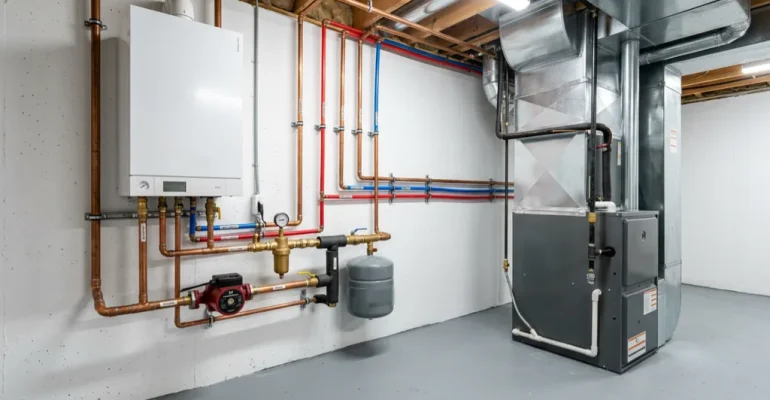
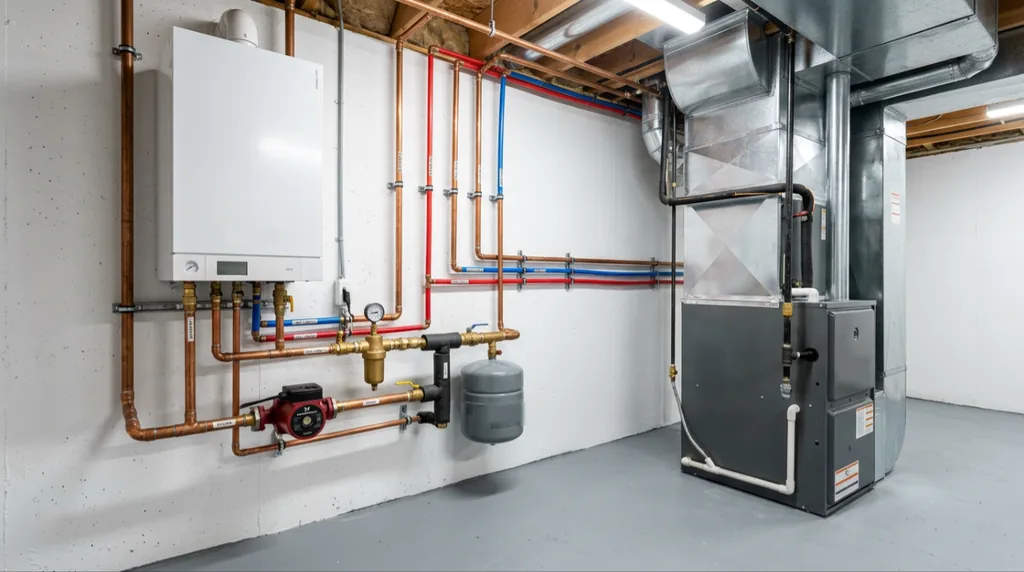
Boiler vs furnace is a question we hear from homeowners in older parts of Whitby, Oshawa and Bowmanville, and from anyone buying a house with radiators for the first time. Both systems burn natural gas, propane, or oil to make heat, and both come in high efficiency models. The difference is how that heat reaches your rooms. A boiler heats water and sends it through radiators, baseboards, or tubing in the floor. A furnace heats air and blows it through ducts and vents. That one difference changes comfort, noise, air quality, cooling options, and what it takes to replace the system. This guide compares a boiler vs furnace side by side, explains the pros and cons of each, and helps you decide whether to keep what you have or switch.
- A boiler heats water and uses radiators, baseboards, or in floor tubing. A furnace heats air and uses ducts and vents.
- Boilers give quiet, even, radiant heat and do not blow dust around. Furnaces heat a room faster and share ducts with central air.
- A home with a boiler needs a separate cooling system, such as a ductless heat pump.
- Both are available in high efficiency, condensing models.
- Switching sides in the boiler vs furnace question means adding or removing ductwork, so most homes replace like with like.
Short answer: In the boiler vs furnace choice, a boiler heats water for radiators or in floor heat and gives quiet, even warmth, while a furnace heats air and pairs easily with central air conditioning. Most homes keep the type they already have, because switching means adding or removing ductwork.
Aire One East services and replaces both boilers and furnaces across Durham Region. Call 905-576-7600.
Boiler vs furnace: how each one heats your home
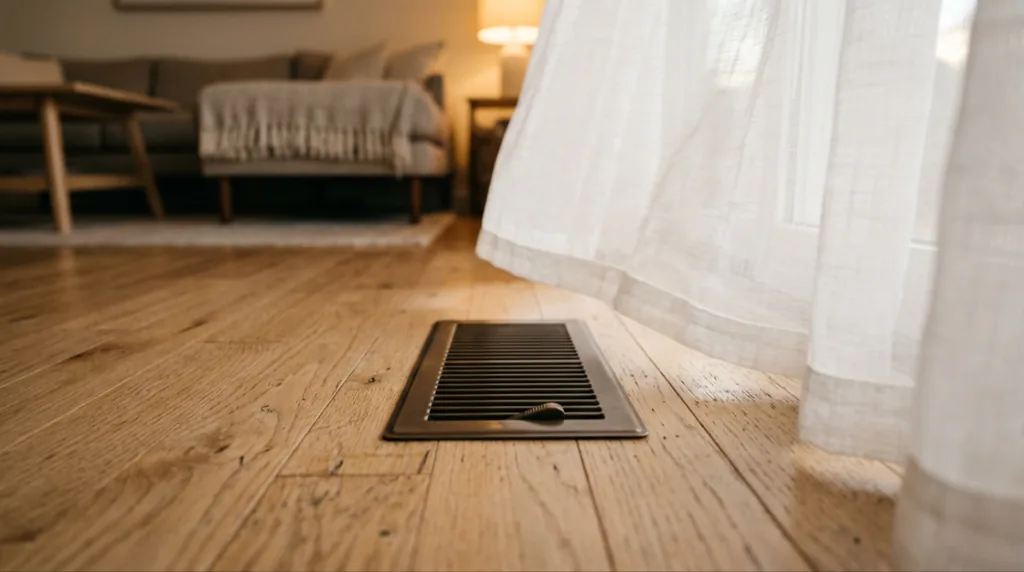
A furnace is a forced air system. It burns fuel in a burner, passes the heat through a metal heat exchanger, and a blower pushes the warm air through supply ducts to vents in each room. Cooler air comes back through return ducts and a filter. Because the same ducts can carry cool air from an air conditioner or heat pump, a furnace is the most common heating system in Durham Region homes built since the 1970s.
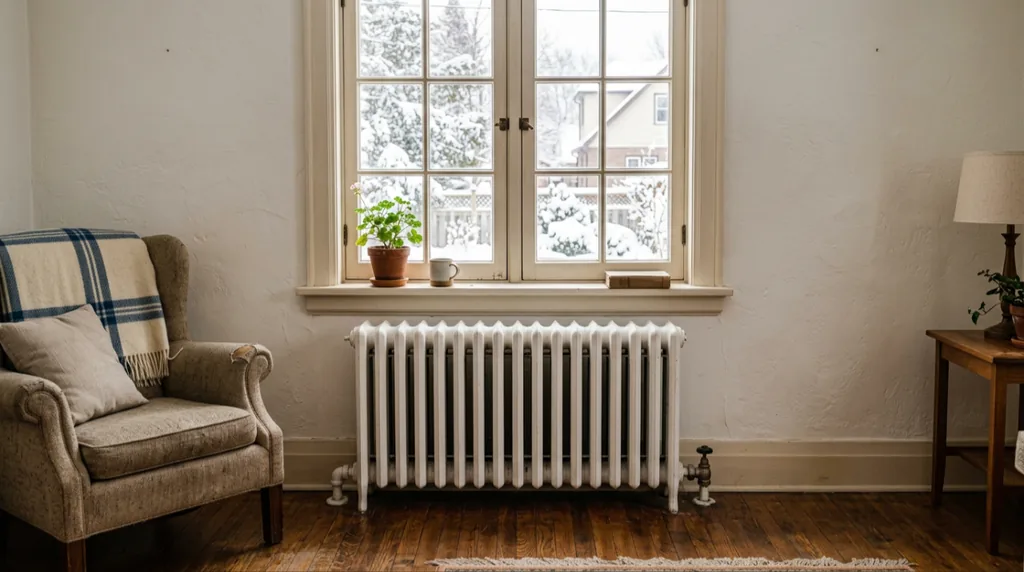
A boiler is a hydronic system. It heats water, and a circulator pump moves that water through pipes to cast iron radiators, baseboard convectors, or tubing in the floor. The radiators warm the room by radiation and gentle convection, and the cooled water returns to the boiler to be heated again. Many older homes in downtown Whitby, Oshawa and Bowmanville were built with boilers, and some newer custom homes use one for in floor radiant heat. A combination boiler can also heat your domestic hot water, replacing a separate water heater.
Boiler vs furnace comparison
| Feature | Boiler | Furnace |
|---|---|---|
| What it heats | Water | Air |
| How heat is delivered | Radiators, baseboards, in floor tubing | Ducts and floor or wall vents |
| Comfort | Steady, even, radiant warmth | Quick heat, can feel drafty |
| Noise | Very quiet | Blower and air noise |
| Air quality | Does not move dust around | Filters air and can add a humidifier or air cleaner |
| Central air conditioning | Needs a separate system | Shares the same ducts |
| Response time | Slower to warm up | Faster to warm up |
| Main risks | Water leaks, frozen pipes if the boiler stops | Dirty filters, duct leaks, uneven rooms |
| Hot water | Combination models can supply it | Needs a separate water heater |
Neither system is better in every home. The right answer in the boiler vs furnace decision depends on how your house was built, how you want it to feel, and whether you want central air.
Boiler pros and cons
- Pros: very even and quiet heat, warm floors with radiant systems, no blowing dust, no dry drafts, and well maintained boilers often last a long time.
- Cons: no built in cooling, slower to respond when you turn up the thermostat, radiators take up wall space, and a leak or a boiler that stops in deep cold can lead to frozen pipes.
On the boiler side of the boiler vs furnace comparison, these strengths make it a favourite in older homes with plaster walls. If your boiler is acting up, our common boiler problems guide covers no heat, noisy pipes, low pressure, and leaks.
Furnace pros and cons
- Pros: heats rooms quickly, shares ducts with central air or a heat pump, can filter and humidify the air, and parts and service are widely available.
- Cons: blower noise, air movement that some people find drafty, dry air without a humidifier, and comfort depends on good duct design.
On the furnace side of the boiler vs furnace comparison, flexibility is the big advantage. If you are shopping for a new furnace, our high efficiency furnace guide explains AFUE ratings and two stage and modulating models, and our furnace size guide explains why the right size matters more than the biggest one.
Should you switch from a boiler to a furnace?
Once you understand boiler vs furnace differences, the next question is whether to switch. Switching in either direction is a big job. Going from a boiler to a furnace means designing and installing ductwork through finished walls, ceilings, and closets, and removing radiators. Going from a furnace to a boiler means running new piping and adding radiators or in floor tubing. For most homes, replacing a boiler with a new high efficiency boiler, or a furnace with a new furnace, is simpler and less disruptive.
The most common reason homeowners with a boiler consider a change is that they want air conditioning. In most cases the better answer is to keep the boiler for heat and add a ductless mini split heat pump for cooling. A ductless heat pump can also provide extra heat in the shoulder seasons. Our heat pump vs furnace guide explains how heat pumps fit into an Ontario home.
How to choose between a boiler vs furnace
- Start with what you have. Existing ducts point to a furnace. Existing radiators or in floor tubing point to a boiler.
- Decide how you want to cool. If you want central air, a furnace with ducts is the natural fit. If not, a boiler plus a ductless system works well.
- Think about comfort. If you value quiet, even heat and warm floors, a boiler is hard to beat.
- Consider air quality. If you want whole home filtration or humidification, a furnace makes that easier.
- Get a heat loss calculation so whatever you choose is sized correctly for your home.
Our technicians can look at your home and give you an honest boiler vs furnace recommendation. We handle furnace installation and boiler service across Durham Region, and our maintenance and protection plans cover yearly safety checks for both.
Key terms in this article
- Boiler: a heating appliance that heats water and circulates it to radiators or in floor tubing
- Furnace: a heating appliance that heats air and blows it through ducts
- Hydronic heating: heating that uses hot water moving through pipes
- Radiant floor heating: tubing under the floor that warms the floor surface
- Combination boiler: a boiler that heats both the home and domestic hot water
- AFUE: Annual Fuel Utilization Efficiency, the share of fuel energy that becomes heat
Frequently asked questions
| Your boiler vs furnace questions, answered |
|---|
| What is the main difference between a boiler and a furnace? A boiler heats water and circulates it to radiators, baseboards, or in floor tubing. A furnace heats air and blows it through ducts and vents. Both can burn natural gas, propane, or oil. |
| Which is better, a boiler or a furnace? In the boiler vs furnace question, neither is better in every home. A boiler gives quiet, even heat and suits homes with radiators or in floor heat. A furnace heats faster and works with central air. The best choice depends on your home and whether you want central cooling. |
| Can I replace my boiler with a furnace? Yes, but it means installing ductwork through the house and removing radiators, which is a large job. Many homeowners keep the boiler and add a ductless heat pump for cooling instead. |
| Is a boiler more efficient than a furnace? In a boiler vs furnace efficiency comparison, both are available in high efficiency condensing models with similar ratings. How efficient your system is depends more on the model, its size, the installation, and maintenance than on whether it heats water or air. |
| Can a boiler provide air conditioning? No. A boiler only heats. Homes with a boiler usually add a ductless mini split heat pump or a separate high velocity system for cooling. |
Do not take our word for it alone. Read our 364 verified reviews on Google, and see the Heating, Refrigeration and Air Conditioning Institute of Canada for what accredited contractors are expected to deliver.
References and further reading