Why Air Quality Matters More in Homes with Newborns or Infants

Why Air Quality Matters More in Homes with Newborns or Infants
Indoor air quality for babies is one of the easiest things for new parents to overlook, and one of the most worth getting right. Newborns breathe faster than adults and their lungs are still developing, so the air in the nursery matters more than it does for the rest of the family. This guide explains why, in plain terms, and gives you practical steps for a Durham Region home. It links to our indoor air quality options where they help.
Aire One East is a Carrier Factory Authorized contractor, family-owned and serving Durham Region homeowners since 1991, with licensed technicians, 4.8 stars from 364 Google reviews, and 24/7 emergency service. For a home air quality assessment before or after baby arrives, call 905-576-7600 or request a quote.

Why Babies Are More Sensitive to Air Quality
The reason comes down to physiology, and the numbers are striking. A newborn takes roughly 40 to 45 breaths per minute, compared with about 12 to 14 for an adult, so a baby moves far more air relative to their body size and inhales more of whatever is in it. Their airways are smaller, their lungs and immune systems are still developing through the first years of life, and infants tend to breathe through the mouth more than adults, which bypasses the nose’s natural filter.
What this means in practice is that pollutants an adult barely notices can have a larger effect on a baby. Research links early-life exposure to dust, mould, smoke, and other irritants with a higher risk of wheezing, respiratory infections, and worsening of asthma and allergies. None of this is cause for panic; it is a reason to take a few simple, sensible steps. For anything involving your baby’s health or symptoms, your pediatrician is always the right first call.
Why Indoor Air Is Often the Bigger Concern
Many parents assume inside is automatically safer, but that is not always true. The U.S. Environmental Protection Agency reports that indoor air can be two to five times more polluted than outdoor air, largely because of poor ventilation and everyday household sources. In an airtight, energy-efficient home, which describes most newer Durham Region builds, those pollutants have fewer ways to escape.
| Common indoor source | What it adds to the air | Simple response |
|---|---|---|
| Cleaners and disinfectants | Volatile organic compounds (VOCs) | Use low-VOC products, ventilate |
| New furniture, paint, flooring | Off-gassing VOCs | Air out before baby arrives |
| Cooking | Fine particles, fumes | Run the range hood, open a window |
| Pets | Dander and hair | Keep pets out of the nursery, HEPA filter |
| Damp areas | Mould spores, dust mites | Keep humidity 30 to 50 percent |
General guidance for a healthy home, verified July 2026. For medical questions about your baby, consult your pediatrician.
The takeaway is not that your home is dangerous, it is that a few targeted changes go a long way, because you control the indoor sources in a way you cannot control the outdoor air.
Simple Steps That Actually Help
Honest first: you do not need to buy expensive equipment to improve indoor air quality for babies. Start with the free and low-cost steps, and add equipment only where it earns its place.
- Control humidity at 30 to 50 percent, which discourages mould and dust mites while protecting your baby’s airways from overly dry air
- Change your furnace filter on schedule, and consider a higher-quality pleated filter, since this is the cheapest lever for what circulates through the whole home
- Ventilate, by running range and bathroom fans and opening windows when outdoor air is clean, to flush out indoor pollutants
- Reduce sources, by choosing low-VOC cleaners and paint, keeping the home smoke-free, and airing out new furniture before it goes in the nursery
- Keep pets out of the nursery and vacuum with good filtration to cut dander and dust
Do these first. If your home still has a specific problem, such as persistent dampness, strong odours, or a family history of allergies and asthma, that is when purpose-built equipment and a professional assessment make sense.
Air Quality Systems Worth Considering
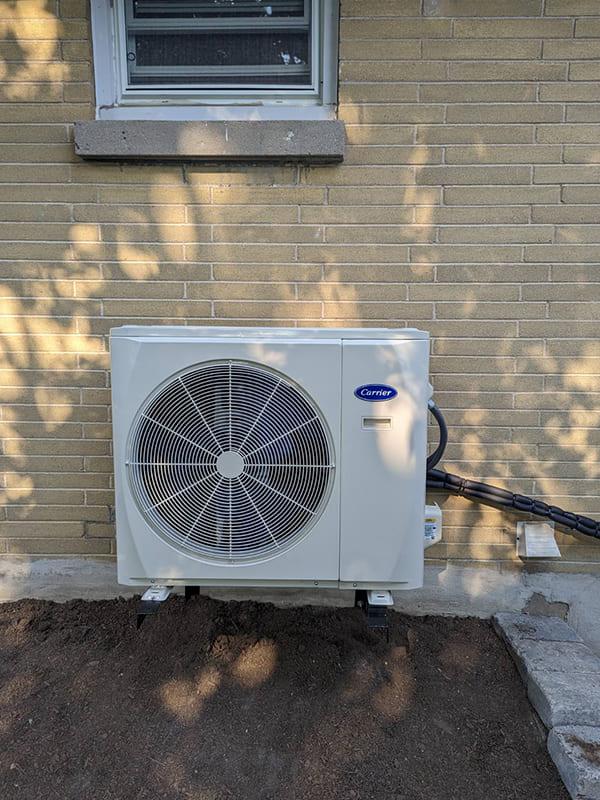
When the basics are covered and you want to do more, a few systems genuinely help, especially in an airtight home. We will match the option to your actual need rather than sell the biggest package:
- HEPA air purifiers for the nursery, which capture very fine particles like dust, dander, and some mould spores
- Whole-home humidifiers to hold winter humidity in the healthy range when the furnace dries the air out
- Better whole-home filtration built into your HVAC system, which treats every room rather than one
- Ventilation upgrades such as an HRV, which brings in fresh air continuously in a tightly sealed home
Here is why Durham families across Whitby, Oshawa, Ajax, Pickering, Courtice, Bowmanville, Port Perry, and Uxbridge trust Aire One East to set this up:
- Carrier Factory Authorized Dealer, a factory-verified standard for training and service
- Family-owned since 1991, serving a third generation of Durham Region homeowners
- 4.8 stars from 364 Google reviews, earned one visit at a time
- Honest recommendations, we suggest only what your home actually needs
- Upfront pricing, with your approval before any work starts
[INSERT AIRE ONE EAST DATA: e.g. most common indoor air quality upgrade requested by Durham families with young children last year, with the number of installs (N) and the window, compiled by the service team. Publish only with a real sample of at least 30. Delete this line if no real figure is available.]
Indoor Air Quality for Babies FAQ
Why does indoor air quality matter more for babies?
Newborns breathe about twice as fast as adults and take in more air for their body size, and their lungs and immune systems are still developing. That makes them more sensitive to dust, allergens, mould, and household chemicals than adults. Keeping the air clean supports their comfort, sleep, and healthy lung development. For any health concern, ask your pediatrician.
What is the best humidity level for a baby’s room?
Aim for 30 to 50 percent relative humidity. That range discourages mould and dust mites, which thrive in damp air, while preventing the overly dry air that can irritate a baby’s nose and airways. A whole-home humidifier helps in a dry Ontario winter, and good ventilation helps in humid summer months.
Do I need an air purifier for my newborn?
Not always. Start with the basics: a clean furnace filter, controlled humidity, ventilation, and reducing sources like strong cleaners and smoke. A HEPA air purifier in the nursery is a helpful addition, especially if you have pets, allergies in the family, or a very airtight home, but it works best alongside those basics, not instead of them.
Is indoor air really worse than outdoor air?
It can be. The EPA reports indoor air is often two to five times more polluted than outdoor air, mostly from poor ventilation and everyday sources like cleaning products, cooking, and off-gassing furniture. Airtight, energy-efficient homes trap these pollutants more, which is why ventilation and filtration matter.
How can I improve air quality before my baby arrives?
Air out any new nursery furniture, paint, or flooring well before the due date so off-gassing settles. Replace your furnace filter, set humidity to 30 to 50 percent, and make the home smoke-free. If you want a professional check, book a home air quality assessment to spot issues like dampness or poor ventilation early.
Give Your Baby Cleaner Air to Breathe
Book a home air quality assessment with Aire One East and get honest advice on filters, humidity, and purifiers for the nursery. Office hours Monday to Saturday, 8am to 8pm. Emergency service 24/7.
Call Now: 905-576-7600 Explore Air Quality Options Get A Free QuoteReferences
- U.S. Environmental Protection Agency, Introduction to Indoor Air Quality
- Natural Resources Canada, Guide to Maintaining Your Home Heating and Cooling System
- ATSDR, Principles of Pediatric Environmental Health
General home-comfort guidance, verified July 2026, subject to change. This article is not medical advice; consult your pediatrician for health concerns.