Electric Furnace Not Working? Common Causes and Safe Checks
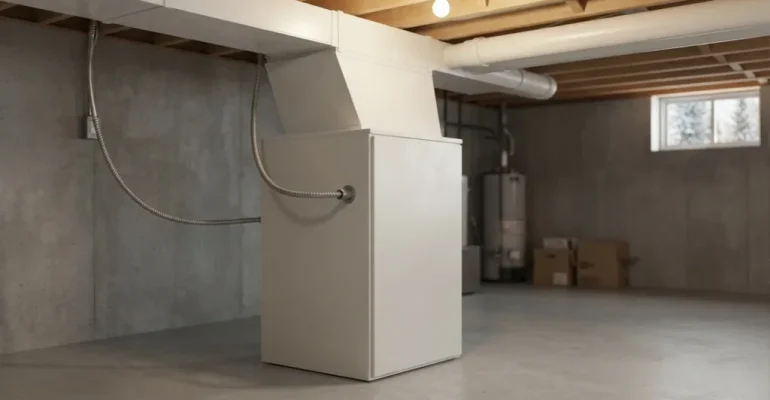
Electric Furnace Not Working? Common Causes and Safe Checks
 Ben Amina
Aire One East Heating & Cooling, 1910 Dundas St E #117, Whitby
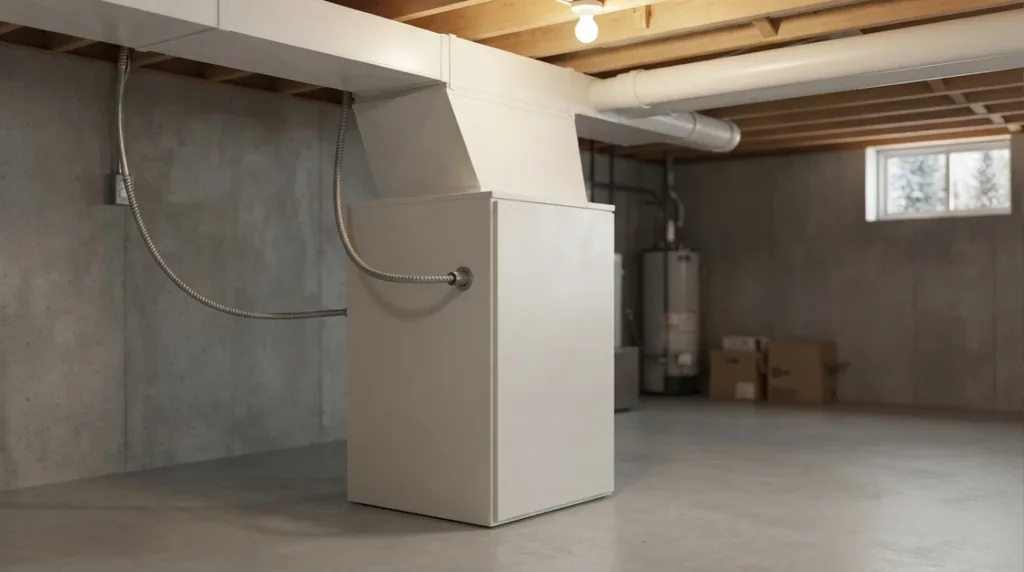
Electric furnace not working is a call we get every winter from homes in rural Durham Region and from houses that never had a gas line. An electric furnace has no burner or pilot. Instead, it heats air by passing current through metal heating elements, then a blower pushes that warm air through the ducts. That makes it simpler than a gas furnace in some ways, but it runs on 240 volts, so most repairs are not a do it yourself job. This guide walks through the common causes, the few checks a homeowner can safely make, the parts that tend to fail, and when to book a technician in Oshawa, Whitby, Clarington, or Scugog.
- With an electric furnace not working, start with the thermostat settings and batteries.
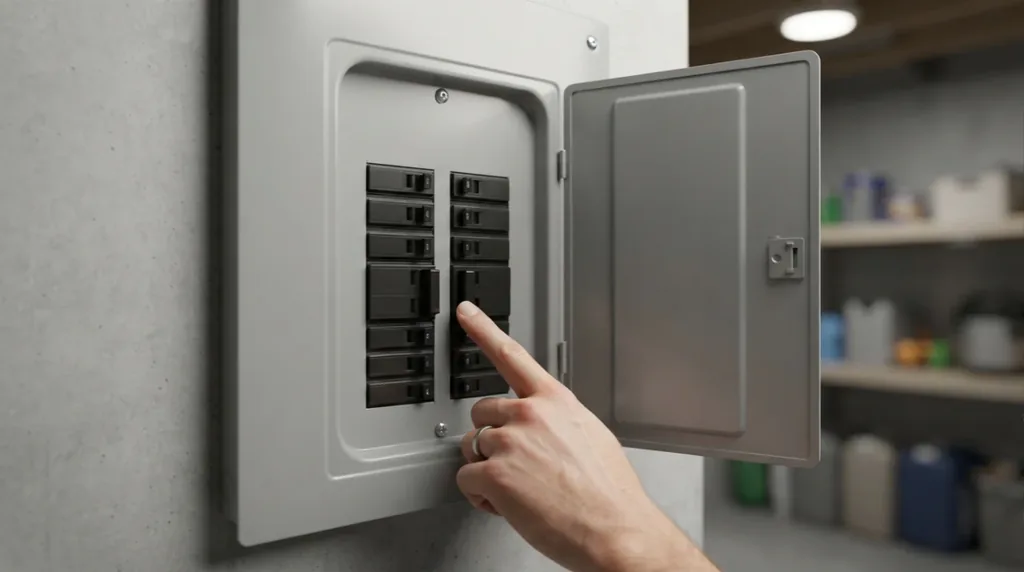
- Check the breaker in the main panel and reset it only once.
- A dirty filter can make the furnace overheat and shut off its elements.
- Make sure the furnace door is closed tight so the safety switch is pressed.
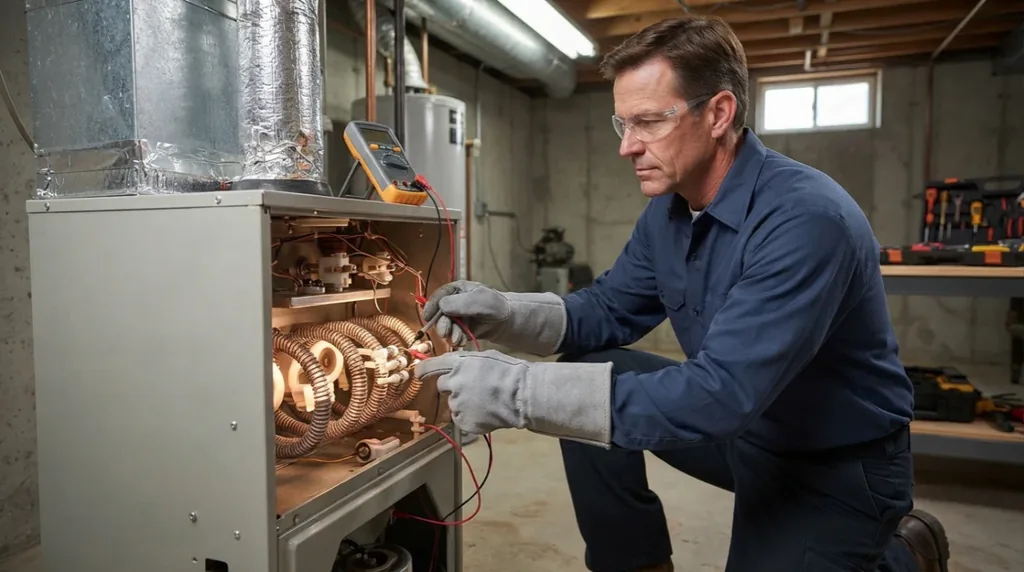
- Heating elements, sequencers, relays, and fuses are technician repairs because of the high voltage.
Short answer: When you find your electric furnace not working, check the thermostat first, then the furnace breaker in the main panel, the filter, and the furnace door switch. If the breaker trips again after one reset, or the blower runs but the air is cold, call a technician. Elements, sequencers, and fuses carry 240 volts and are not a homeowner repair.
Aire One East repairs electric and gas furnaces across Durham Region. Call 905-576-7600.
How an electric furnace makes heat
When the thermostat calls for heat, low voltage controls switch on relays or sequencers. These bring the heating elements on one at a time so the house wiring is not hit with a sudden load. The elements glow hot, and the blower moves air across them and into the ducts. Safety limits shut the elements off if the furnace gets too hot. Because every step depends on power and controls rather than a flame, most cases of an electric furnace not working come down to power, airflow, or a failed electrical part. Our gas vs electric furnace guide explains how the two types compare.
Electric furnace not working? Start with these safe checks
- Thermostat: make sure it is set to Heat, set a few degrees above room temperature, and replace the batteries. Our thermostat not working guide covers more.
- Breaker: electric furnaces use a large double pole breaker in the main panel. If it has tripped, reset it once. If it trips again, leave it off and call for service.
- Furnace switch: check that the service switch near the furnace is on.
- Filter: a clogged filter cuts airflow, which can trip the high limit. Our furnace filter guide shows how to change it.
- Door panel: the blower door presses a safety switch. If the panel is loose, the furnace will not run.
- Vents: open supply registers and clear return grilles of furniture and rugs.
Common reasons an electric furnace is not working
Once the safe checks are done, these are the parts we most often find behind an electric furnace not working:
- Burned out heating elements: the blower runs, but the air is cool or only lukewarm.
- Failed sequencer or relay: elements never switch on, or only some of them do.
- Blown internal fuses: many electric furnaces have their own fuses inside the cabinet.
- Tripped high limit: usually caused by poor airflow, as our high limit switch guide explains.
- Blower motor problems: no airflow at all, or humming without spinning. See our furnace blower motor guide.
- Bad transformer or control board: nothing happens when the thermostat calls for heat.
What the symptoms can tell you
If you find the electric furnace not working at all, with no fan and no heat, the problem is usually power, the thermostat, the door switch, or the transformer. If the blower runs but the air is cold, look to the elements, sequencers, or fuses. If the furnace heats for a while and then shuts off, airflow and the high limit are likely. If the fan will not stop, our furnace will not turn off guide covers that problem. A burning smell the first time the heat comes on in fall is often dust on the elements, but a strong or lasting electrical smell means you should turn the furnace off at the breaker and call for help.
Staying warm while you wait for a repair
An electric furnace not working in January can make a house cold fast. Close curtains, keep doors to unused rooms shut, and gather the family in one room. If you use a portable heater, keep it well away from bedding and curtains and plug it directly into a wall outlet, as our space heater vs furnace guide explains. Never use an oven or a barbecue to heat the house. Our emergency furnace repair service covers Durham Region when the temperature drops.
When to call a technician
Book service for an electric furnace not working if the breaker trips again after one reset, if the air stays cold with the blower running, if you see scorch marks or smell burning plastic, or if the furnace has not run at all after the safe checks. A technician tests each element, sequencer, fuse, and the transformer with a meter, and repairs the part that has failed. If the furnace is old and needs repairs often, it may be time to compare options such as a heat pump. Our furnace repair team and maintenance plans help keep an electric furnace not working from becoming a cold night for your family.
Key terms in this article
- Heating element: a coil of metal wire that gets hot when electricity flows through it
- Sequencer: a switch that turns heating elements on one at a time
- Relay: an electrical switch controlled by a small signal from the thermostat
- Double pole breaker: a large breaker that controls a 240 volt circuit
- High limit switch: a safety switch that turns off heat if the furnace gets too hot
- Transformer: a part that lowers voltage to run the thermostat and controls
Frequently asked questions
| Your electric furnace not working questions, answered |
|---|
| Why is my electric furnace not turning on? The most common reasons are a thermostat setting, a tripped breaker, a loose blower door, or a failed transformer or control. Check the thermostat, breaker, and door first. |
| Why is my electric furnace blowing cold air? If the blower runs but the air is cold, a heating element, sequencer, relay, or internal fuse has usually failed. These need a technician. |
| Is there a reset button on an electric furnace? Many electric furnaces have a manual reset on the high limit, but it is behind panels near live wiring. Reset the breaker once instead, and call a technician if it trips again. |
| Can a dirty filter stop an electric furnace? Yes. A clogged filter cuts airflow, the furnace overheats, and the high limit shuts the elements off. |
| How long do electric furnace elements last? Elements often last many years, but they can burn out sooner if airflow is poor. Regular filter changes and yearly service help them last. |
Do not take our word for it alone. Read our 364 verified reviews on Google, and see the Heating, Refrigeration and Air Conditioning Institute of Canada for what accredited contractors are expected to deliver.
References and further reading