Best Winter Thermostat Settings
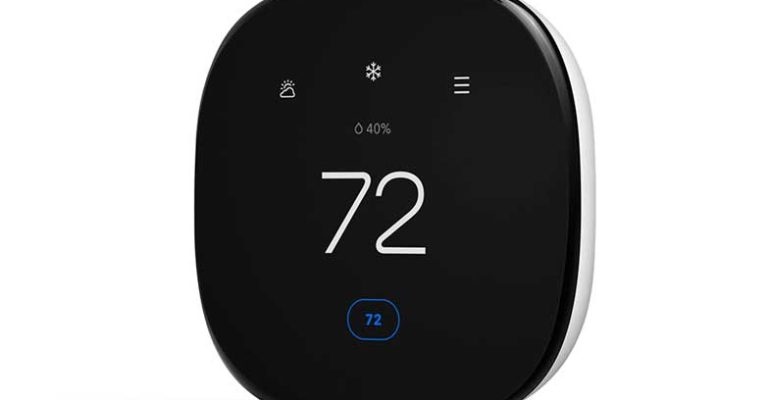
Best Winter Thermostat Settings

Aire One East Heating & Cooling, 1910 Dundas St E #117, Whitby
Winter thermostat settings are the heating temperatures you set through the cold months, and getting them right is one of the easiest ways to cut your Durham heating bill without feeling the difference. The short version: set it to about 20 degrees Celsius when you are home and awake, and lower it while you sleep or are away. This guide gives the ideal numbers, a sample schedule, and the smart-thermostat tips that make it automatic. For year-round comfort, see our maintenance and protection plans.
- The best winter thermostat settings for most Durham homes are about 20 degrees Celsius (68F) while you are home and awake.
- Lowering the temperature by 3 to 5 degrees Celsius at night or when away can save up to 10 percent a year on heating.
- Never turn the heat off entirely in a Durham winter, since reheating a cold house and the risk of frozen pipes cost more.
- A programmable or smart thermostat makes the setbacks automatic, so you save without thinking about it.
- Insulation, humidity, and your heating system all affect the most comfortable setting for your home.
Short answer: the ideal winter thermostat settings are about 20 degrees Celsius when home and awake, lowered to roughly 16 to 17 degrees Celsius at night or when away, which can save up to 10 percent a year.
A programmable thermostat makes these winter thermostat settings automatic. Aire One East services heating systems across Durham Region. Call 905-576-7600.

The ideal winter thermostat settings
For most Durham homes, the ideal winter thermostat settings are about 20 degrees Celsius, or 68 degrees Fahrenheit, while you are home and awake. That is the sweet spot energy experts recommend: warm enough to be comfortable, low enough to keep the bill reasonable. Every degree higher adds roughly 3 percent to your heating cost, so creeping up to 22 or 23 degrees is comfortable but noticeably more expensive over a long Ontario winter. The trick is not to suffer at a cold setting all day, but to pair a comfortable daytime temperature with lower settings when you do not need the heat.
A sample winter thermostat schedule
The real savings in winter thermostat settings come from lowering the temperature when you are asleep or out. Here is a simple schedule that keeps a Durham home comfortable while trimming the bill.
| Time | Setting | Why |
|---|---|---|
| Morning, awake and home | 20C (68F) | Comfortable daytime warmth |
| Daytime, away at work | 16 to 17C (about 62F) | No need to heat an empty house fully |
| Evening, home | 20C (68F) | Back to the comfort setting |
| Overnight, asleep | 16 to 17C (about 62F) | You sleep better slightly cooler, and you save |
| Away on vacation | No lower than 15 to 16C | Protects against frozen pipes |
A practical winter schedule for Durham homes, verified October 2026. Adjust to your comfort.
How much do winter thermostat settings save?
Dialing in your winter thermostat settings is one of the cheapest ways to lower a heating bill. Lowering the temperature by about 3 to 5 degrees Celsius for eight hours a day, while you sleep or are away, can save up to 10 percent a year on heating, and some households see more. The savings come because a cooler house loses heat to the outdoors more slowly, so your furnace or heat pump runs less. It costs nothing to do, and with a programmable thermostat it happens automatically. Pairing it with a yearly tune-up and a clean filter stretches the saving even further, since an efficient system makes every degree count.
Programmable and smart thermostats
The easiest way to stick to good winter thermostat settings is to let a programmable or smart thermostat do it for you. You set the schedule once, and it lowers the heat overnight and during work hours, then warms the house back up just before you wake or arrive home, so you never feel the setback. A smart thermostat goes further: you can adjust it from your phone, it learns your routine, and many can save an average of around 8 percent on heating and cooling. If you are upgrading, our team installs and wires all major smart thermostats, and our heating service can confirm your system is compatible.
What affects your ideal setting
The numbers above are a strong starting point, but a few factors shift the ideal winter thermostat settings for your home. Insulation and air sealing matter most: a drafty, poorly insulated home loses heat faster and may feel cold even at 20 degrees, which is a sign to seal and insulate rather than crank the heat. Humidity plays a role too, because properly humidified air feels warmer at the same temperature, so a whole-home humidifier can let you set the thermostat a touch lower. Your heating system matters as well, since a heat pump runs most efficiently with steadier settings, while a gas furnace handles setbacks easily. Households with infants, older adults, or anyone unwell may need a warmer, steadier setting, and comfort always comes first.
Key terms in this article
- Setback: lowering the thermostat for a stretch of hours, such as overnight or while away, to save energy.
- Programmable thermostat: a thermostat that follows a schedule you set, changing the temperature automatically.
- Smart thermostat: a programmable thermostat you can control from your phone that can learn your routine.
- Recovery: warming the house back to the comfort setting before you wake or return.
- Setpoint: the target temperature you tell the thermostat to reach and hold.
Frequently asked questions
| Your winter heating questions, answered |
|---|
| What is the best temperature to set my thermostat in winter? The best winter thermostat settings for most Durham homes are about 20 degrees Celsius (68F) while you are home and awake, lowered to roughly 16 to 17 degrees when asleep or away. That balance keeps you comfortable while trimming the heating bill. |
| How much can I save by lowering my thermostat? Lowering your thermostat by about 3 to 5 degrees Celsius for eight hours a day can save up to 10 percent a year on heating. A cooler house loses heat more slowly, so your furnace or heat pump runs less. A programmable thermostat makes the setback automatic. |
| Should I turn my heat off when I am not home? No. Lower it to about 16 to 17 degrees Celsius, but do not turn it off. Reheating a fully cold house uses extra energy, and in a Durham winter an unheated home risks frozen, burst pipes that cost far more than any saving. |
| Is it cheaper to leave the heating at one temperature all day? Usually not. Holding a constant comfortable temperature all day uses more energy than letting it drop while you sleep or are out. Steady settings suit a heat pump better than a furnace, but for most homes the best winter thermostat settings use scheduled setbacks to save money. |
| Does a smart thermostat really lower heating bills? Yes. By automating setbacks and recovery, a smart thermostat captures savings you would miss adjusting it by hand, and many save an average of around 8 percent on heating and cooling. You also get phone control and schedules that match your routine. |
Do not take our word for it alone. Read our 364 verified reviews on Google, and see the Heating, Refrigeration and Air Conditioning Institute of Canada for what accredited contractors are expected to deliver.